Nigeria Must Complete 42-Day Monitoring Period to Be Declared Ebola-Free – WHO
Ihekweazu stated this during an interview on Wednesday, explaining that the country must monitor all 53 identified contacts of the confirmed Ebola patient for 21 days, followed by another 21-day period, in line with WHO protocols.
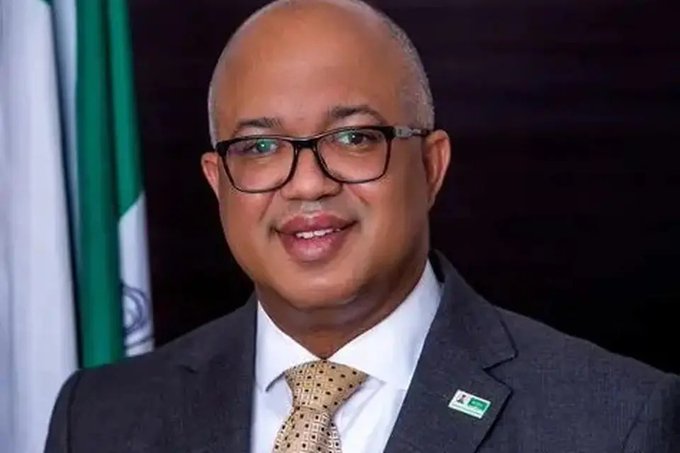
The World Health Organisation’s Executive Director of the Health Emergencies Programme, Dr Chikwe Ihekweazu, has said Nigeria must complete a 42-day monitoring period before it can be declared free of Ebola.
Ihekweazu stated this during an interview with ARISE NEWS on Wednesday, explaining that the country must monitor all 53 identified contacts of the confirmed Ebola patient for 21 days, followed by another 21-day period, in line with WHO protocols.
He said the monitoring was necessary to identify any possible secondary infections and ensure that further transmission had been contained.
According to him, the medical evacuation of the patient to her country of origin was carried out at the request of that country and did not indicate any shortcomings in Nigeria’s capacity to manage the disease.
Ihekweazu commended Nigeria’s response, citing the rapid laboratory confirmation, timely sequencing and effective case management.
He explained that the WHO treats every confirmed Ebola case as an outbreak requiring a coordinated public health response because the disease belongs to a group of infections known as viral haemorrhagic fevers.
On public gatherings, the WHO official said the organisation had not recommended restrictions, stressing that its advice was based on technical assessments rather than political considerations.
He urged Nigerians to trust the government and relevant health agencies, adding that the immediate priority was to monitor identified contacts daily, detect possible infections early and prevent further transmission.
Speaking on the wider Ebola situation in Africa, Ihekweazu described the outbreak in the Democratic Republic of the Congo as severe, disclosing that the country had recorded about 10,000 cases and nearly 5,000 deaths.
He said between 50 and 80 new confirmed cases were being reported daily, with eight provinces affected.
According to him, the WHO and its partners are supporting the Congolese government through treatment facilities, laboratories and community engagement, while vaccine trials involving three candidates have commenced in the country.
Ihekweazu described the trials as encouraging, noting that the initiative was being led by the Congolese research institute, INRB, with international support.
He said successful trials could lead to the fastest development of a new Ebola vaccine, particularly for the newly identified strain.
The WHO official also called on African countries to strengthen their public health systems, improve disease surveillance and invest in emergency response capacity.
He added that Nigeria could further improve disease surveillance and contact tracing by applying artificial intelligence to existing digital systems, but stressed that reliable data and skilled personnel remained essential for effective use of the technology.
Comments (0)