
Tanzanian Opposition Leader Lissu to Begin Hunger Strike
Chadema’s legal adviser, Rugemeleza Nshala, announced the planned hunger strike at a news conference, accusing prison authorities of failing to comply with a court ruling on Lissu’s right to confidential meetings with his defence lawyers.
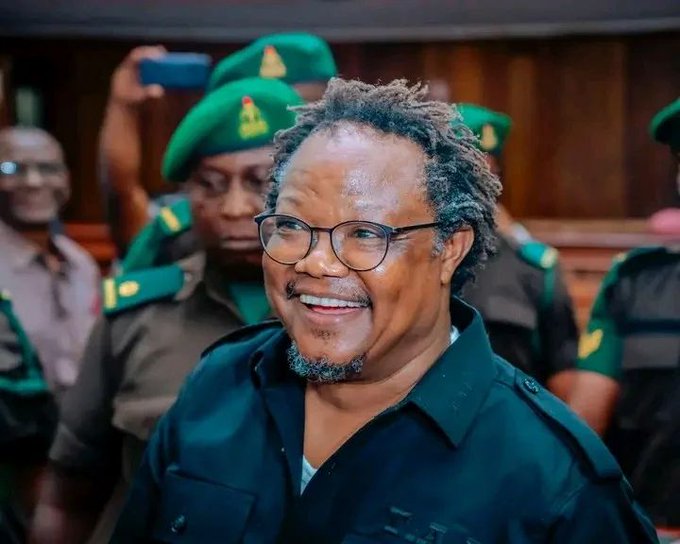
Detained Tanzanian opposition leader Tundu Lissu plans to begin a hunger strike on Monday to demand that prison authorities allow him to meet his lawyers privately, his party, Chadema, has said.
Lissu, 58, is being held while awaiting judgment in a treason trial, a charge that carries a possible death sentence. The verdict is expected on November 6.
Chadema’s legal adviser, Rugemeleza Nshala, announced the planned hunger strike at a news conference, accusing prison authorities of failing to comply with a court ruling on Lissu’s right to confidential meetings with his defence lawyers.

The party said the High Court of Tanzania ruled last week that Lissu’s constitutional right to meet his lawyers privately had been violated. However, it accused prison officials of disregarding the ruling.
Chadema Secretary-General John Mnyika said Lissu had expressed fears for his personal safety and questioned whether he could trust food supplied by officials he accused of violating court orders.
Lissu, a longtime critic of the ruling Chama Cha Mapinduzi party, was arrested in April 2025 over allegations that he incited the public to boycott that year’s elections. He has denied that his call for an electoral boycott amounted to treason.
The opposition leader returned to Tanzania in 2023 after years in exile, having survived an assassination attempt in 2017.
His detention comes amid political tensions following the November 2025 elections, which President Samia Suluhu Hassan won with 98 per cent of the vote. Chadema was barred from contesting the election.
The government’s crackdown on opposition groups ahead of the polls triggered widespread protests. Opposition figures and human rights activists accused security forces of killing thousands during the unrest, while the government acknowledged that more than 500 people died without identifying those responsible.
Comments (0)