NIGERIA: NISO Blames Gas Shortage, Low Water Levels For Poor Power Supply
In a statement issued on Thursday, November 5, 2026, NISO explained that insufficient gas supplies had prevented some thermal power plants from operating at their available capacity, while reduced water inflows into reservoirs had affected electricity generation from hydroelectric stations.
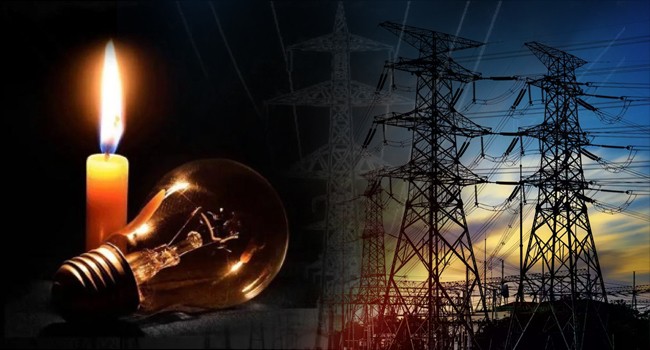
The Nigerian Independent System Operator (NISO) has attributed the recent decline in electricity supply across the country to inadequate gas supply to thermal power plants and reduced water levels at hydroelectric stations.
The operator said the challenges had affected electricity generation, reduced power allocations to distribution companies (DisCos) and increased load shedding, leaving many households and businesses with fewer hours of electricity.
In a statement issued on Thursday, November 5, 2026, NISO explained that insufficient gas supplies had prevented some thermal power plants from operating at their available capacity, while reduced water inflows into reservoirs had affected electricity generation from hydroelectric stations.
It noted that the combined challenges had significantly reduced the amount of electricity available for distribution to consumers nationwide.
NISO stated that the impact of the supply shortage varied across distribution networks, depending on the volume of electricity available and the allocations received by individual DisCos.
The system operator acknowledged the hardship caused by the decline in power supply, assuring Nigerians that it was working to maintain grid stability and ensure the efficient distribution of available electricity.
It also said efforts were ongoing to diversify the country's energy mix to improve the security and reliability of electricity supply.
According to the operator, its immediate priorities include maintaining grid stability, optimising available power generation and ensuring the safe and efficient operation of the national grid despite prevailing challenges.
The statement, signed by NISO management, reaffirmed the organisation's commitment to improving electricity delivery within existing operational constraints.
The latest development comes amid recurring electricity supply challenges across the country, with several distribution companies issuing explanations and apologies over reduced power supply to their customers.
In March 2026, Ikeja Electric attributed worsening electricity supply in Lagos to inadequate gas deliveries to thermal power plants, which reduced allocations to distribution companies and triggered intermittent outages and load shedding.
Similarly, the Federal Ministry of Power apologised to Nigerians in March over weeks of widespread blackouts, blaming part of the generation shortfall on gas supply challenges linked to outstanding debts owed to suppliers.
The ministry also called for increased investment in renewable energy as part of efforts to reduce the country's dependence on gas-fired power plants.
The recurring disruptions have renewed concerns over Nigeria's electricity generation capacity and the need for sustainable solutions to address gas supply challenges and strengthen the national power sector.
Comments (0)